

Tendinitis
Tendinitis leads to pain, swelling, and stiffness in the tendons. Learn more about symptoms, causes, and effective treatment options to restore mobility and relieve discomfort.
Tendinits Overview
Tendinitis is the inflammation or irritation of a tendon, the thick tissue that connects muscles to bones. It often results from repetitive motion, overuse, or injury, leading to pain, stiffness, and swelling. Tendinitis commonly affects the shoulders, elbows, wrists, knees, and heels. Early treatment can help prevent chronic pain and improve function.
Types of Tendinits
Tendinitis can occur in different areas of the body, depending on which tendon is affected:
- Rotator Cuff Tendinitis – Affects the shoulder, causing pain when lifting or reaching overhead.
- Tennis Elbow (Lateral Epicondylitis) – Pain on the outer elbow due to repetitive wrist and forearm motion.
- Golfer’s Elbow (Medial Epicondylitis) – Pain on the inner elbow caused by repetitive gripping and wrist flexion.
- Achilles Tendinitis – Inflammation of the Achilles tendon, leading to heel and lower leg pain.
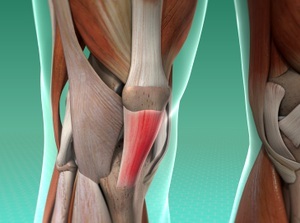
- Patellar Tendinitis (Jumper’s Knee) – Affects the tendon connecting the kneecap to the shinbone, common in athletes.
Causes of Tendinits
Tendinitis is primarily caused by repetitive movements that put stress on the tendons. Common causes include:
- Overuse & Repetitive Motions – Activities like typing, swinging a racket, or lifting weights can strain tendons.
- Sudden Injury – A direct blow or excessive force can inflame tendons.
- Aging & Wear and Tear – Tendons become less flexible with age, increasing the risk of injury.
- Poor Posture & Improper Technique – Incorrect movement patterns can place excessive strain on tendons.
- Medical Conditions – Conditions like rheumatoid arthritis and diabetes may increase susceptibility to tendinitis.
Symptoms & Diagnosis
Symptoms of tendinitis vary depending on the affected tendon. Doctors use physical exams, ultrasound, and MRI scans to evaluate tendon inflammation and rule out other conditions.
- Pain near the affected joint – Worsens movement or activity.
- Swelling & tenderness – Inflammation and soreness around the tendon.
- Stiffness & reduced range of motion – Difficulty moving the affected area.
- Clicking or cracking sensations – Due to tendon irritation.
- Weakness in the affected limb – Difficulty gripping, lifting, or bearing weight.
Treatment Options
Treatment aims to reduce inflammation, relieve pain, and restore movement.
- Rest & Activity Modification – Avoiding activities that aggravate the tendon.
- Ice & Heat Therapy – Reduces inflammation and improves blood flow.
- Medications – NSAIDs for pain relief and inflammation reduction.
- Physical Therapy & Strengthening Exercises – Helps improve flexibility and prevent recurrence.
- Corticosteroid Injections – Provides targeted pain relief in severe cases.
- Minimally Invasive Surgery – Used for chronic tendinitis that does not respond to conservative treatments.
Make an appointment today
Appointments in as little as 24 hours.
Schedule your same/next-day inperson or telemedicine appointment with one of our medical experts. Appointments with our medical experts start on time so that you can quickly return to your day.