
Plantar Fasciitis Conditions, Symptoms & Causes
Discover the most common plantar fasciitis symptoms, causes, and treatment options—learn how we can help relieve heel pain and make walking comfortable again.
Plantar Fasciitis Conditions
Plantar fasciitis is one of the most common causes of heel pain, often triggered by overuse or tight calf muscles, and can make walking painful—especially in the morning or after long periods of inactivity. We provide effective treatment options to help people restore mobility and reclaim their active lifestyle.
What are the causes of plantar fasciitis?
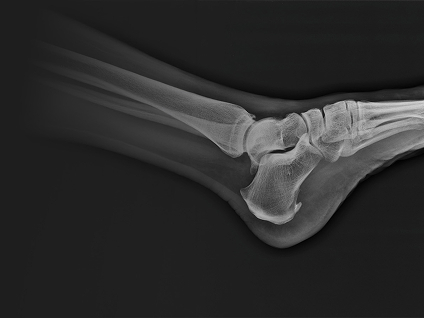
Plantar fasciitis develops when the plantar fascia—the thick ligament that supports the arch of your foot—becomes inflamed. Plantar fasciitis is one of the most common causes of heel pain often resulting from stress and strain on the foot.
- Overuse from physical activity such as running, walking long distances, or standing for extended periods.
- Wearing unsupportive shoes that lack proper arch support or cushioning.
- Biomechanical issues like flat feet, high arches, or abnormal walking patterns that place extra pressure on the heel and arch.
What are the symptoms of Plantar fasciitis
Plantar fasciitis actively causes sharp, stabbing heel pain, particularly in the first few steps in the morning or after periods of rest. While the discomfort or pain may improve with movement, it often returns after prolonged standing, walking, or physical activity.
- Sharp heel pain, especially in the morning
- Pain after prolonged standing or walking
- Tenderness along the arch of the foot
- Stiffness that improves with movement
When should you see a doctor for plantar fasciitis?
While mild cases of plantar fasciitis can often be managed with rest, stretching, and supportive footwear, there are times when people should seek professional medical attention. Ignoring persistent heel pain can lead to chronic discomfort and limited mobility.
- Heel pain that lasts more than a week, even with home care.
- Severe or worsening pain that interferes with daily activities.
- Difficulty walking, standing, or bearing weight on the effected foot.
- Pain that doesn’t improve with home remedies such as ice, rest, or over-the-counter pain relief medication.
Treatments options for plantar fasciitis
We offer a comprehensive range of effective non-surgical and minimally invasive outpatient treatment options designed to provide lasting pain relief and restore mobility.
- Corticosteriod Injections – to help reduce inflammation and provide temporary relief from pain, allowing you to move more freely during the healing process.
- Shockwave Therapy (ESWT) - to help stimulate healing in the plantar fascia.
- Platelet-Rich Plasma (PRP Injections – to accelerate healing in damaged tissues, promoting the regeneration of healthy plantar fascia tissue.
- Minimally Invasive Outpatient Surgery – may be recommended to release tension in the plantar fascia or remove damaged tissue, providing long lasting pain relief.
Learn More: Watch Informative Videos on Plantar Fasciitis
Make an appointment today
Appointments in as little as 24 hours.
Schedule your same/next-day in-person or telemedicine appointment with one of our medical experts. Appointments start on time so that you can quickly return to your day.