



Rheumatoid
Rheumatoid arthritis is a chronic autoimmune disease that affects joints and mobility. Learn more about symptoms, causes, and effective treatment options.
Rheumatoid Arthritis Overview
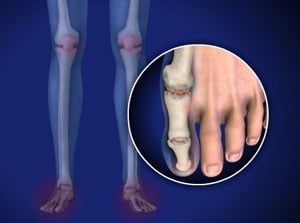
Rheumatoid arthritis (RA) is a chronic autoimmune disorder in which the immune system mistakenly attacks the lining of the joints, leading to inflammation, pain, and eventual joint damage. Unlike osteoarthritis, which results from wear and tear, RA is caused by an overactive immune response. It commonly affects the hands, wrists, knees, and feet, but can also impact other organs. Early diagnosis and treatment can help manage symptoms and slow the progression of the disease.
Types of Rheumatoid Arthritis
Rheumatoid arthritis affects individuals differently and can be classified into several types:
- Seropositive RA – The most common form, where rheumatoid factor (RF) or anti-CCP antibodies are present in the blood, leading to a more aggressive disease course.
- Seronegative RA – Lacks rheumatoid factor or anti-CCP antibodies but still causes inflammation and joint damage.
- Juvenile Rheumatoid Arthritis (JRA) – Affects children under 16, causing joint pain and swelling.
- Palindromic Rheumatism – An episodic form of RA with flare-ups that come and go without permanent joint damage.
Causes of Rheumatoid Arthritis
RA develops when the immune system attacks healthy joint tissue, but the exact cause remains unclear. Factors that may contribute include:
- Genetics – Family history can increase the likelihood of developing RA.
- Immune System Dysfunction – The immune system mistakenly attacks joint linings.
- Environmental Triggers – Smoking, pollution, and certain infections may trigger RA in genetically predisposed individuals.
- Hormonal Factors – RA is more common in women, suggesting hormonal influence.
- Obesity & Lifestyle – Increased body weight may contribute to inflammation.
Symptoms & Diagnosis
RA symptoms can vary in severity and often develop gradually. Doctors use blood tests (RF, anti-CCP, ESR, CRP), X-rays, and MRI scans to confirm RA and assess joint damage. Common signs include:
- Joint pain & tenderness – Especially in the hands, wrists, and knees.
- Morning stiffness – Lasts longer than 30 minutes.
- Swelling & warmth – Due to joint inflammation.
- Fatigue & fever – General malaise and low-grade fever.
- Symmetrical Joint Involvement – RA typically affects both sides of the body equally.
Treatment Options
RA treatment focuses on reducing inflammation, managing pain, and preventing joint damage. Treatment options may include:
- Medications – Disease-modifying antirheumatic drugs (DMARDs) and biologic therapies slow disease progression.
- Anti-inflammatory Treatment – NSAIDs and corticosteroids help reduce pain and swelling.
- Physical Therapy – Strengthening exercises to maintain joint mobility.
- Lifestyle Modifications – Balanced diet, regular exercise, and stress management.
- Surgical Interventions – Joint replacement or synovectomy for severe cases.
Make an appointment today
Appointments in as little as 24 hours.
Schedule your same/next-day inperson or telemedicine appointment with one of our medical experts. Appointments with our medical experts start on time so that you can quickly return to your day.