
Bursitis
Bursitis leads to joint pain and inflammation. Learn more about its symptoms, causes, and effective treatment options for long lasting pain relief.
Bursitis Overview
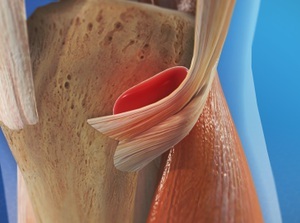
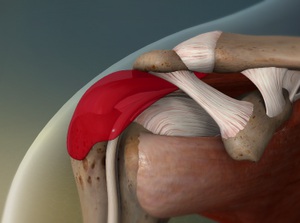
Bursitis is the inflammation of the bursae—small, fluid-filled sacs that cushion the bones, tendons, and muscles near joints. When these sacs become irritated or inflamed, they cause pain, swelling, and limited movement. Bursitis commonly affects the shoulders, elbows, hips, and knees. Early diagnosis and treatment can help relieve discomfort and prevent chronic pain.
Types of Bursitis
Bursitis occurs in various parts of the body, with different types depending on the affected joint:
- Shoulder Bursitis (Subacromial Bursitis) – Causes pain and stiffness in the shoulder joint, often linked to repetitive movements.
- Elbow Bursitis (Olecranon Bursitis) – Swelling and tenderness at the back of the elbow, common in those who lean on their elbows frequently.
- Hip Bursitis (Trochanteric Bursitis) – Pain on the outer side of the hip, aggravated by walking or climbing stairs.
- Knee Bursitis (Prepatellar Bursitis) – Swelling and discomfort at the front of the knee, often caused by prolonged kneeling.
- Ankle & Heel Bursitis (Retrocalcaneal Bursitis) – Pain at the back of the heel, commonly associated with tight footwear or repetitive impact.
Causes of Bursitis
Bursitis develops when the bursae become irritated due to repetitive motion, excessive pressure, or infection. Common causes include:
- Repetitive Movements – Frequent overhead reaching, kneeling, or throwing motions.
- Prolonged Joint Pressure – Leaning on the elbows or kneeling for extended periods.
- Injury or Trauma – A direct impact can inflame the bursae.
- Infections (Septic Bursitis) – Bacterial infections can cause bursae inflammation.
- Arthritis & Gout – Inflammatory conditions can trigger bursitis.
Symptoms & Diagnosis
Bursitis symptoms often develop gradually and worsen with movement or pressure on the affected area. Doctors use physical exams, X-rays, ultrasound, or fluid tests to confirm bursitis and rule out infections or other joint conditions.
- Joint pain & tenderness – Aching pain, especially during movement.
- Swelling & warmth – The inflamed area may feel warm and swollen.
- Stiffness & limited motion – Difficulty moving the affected joint.
- Redness or infection signs – In septic bursitis, the area may become red and feel hot.
Treatment Options
Treatment focuses on reducing inflammation and preventing future flare-ups.
- Rest & Activity Modification – Avoiding repetitive movements that worsen symptoms.
- Ice Therapy – Applying cold packs to reduce swelling and pain.
- Medications – Anti-inflammatory drugs for pain relief.
- Physical Therapy – Strengthening exercises to improve joint stability.
- Corticosteroid Injections – Reduces inflammation in severe cases.
- Aspiration & Antibiotics – For septic bursitis, fluid drainage and antibiotics may be necessary.
Make an appointment today
Appointments in as little as 24 hours.
Schedule your same/next-day inperson or telemedicine appointment with one of our medical experts. Appointments with our medical experts start on time so that you can quickly return to your day.